Today is the first day of fall, and another hot Dallas summer is nearly behind us.
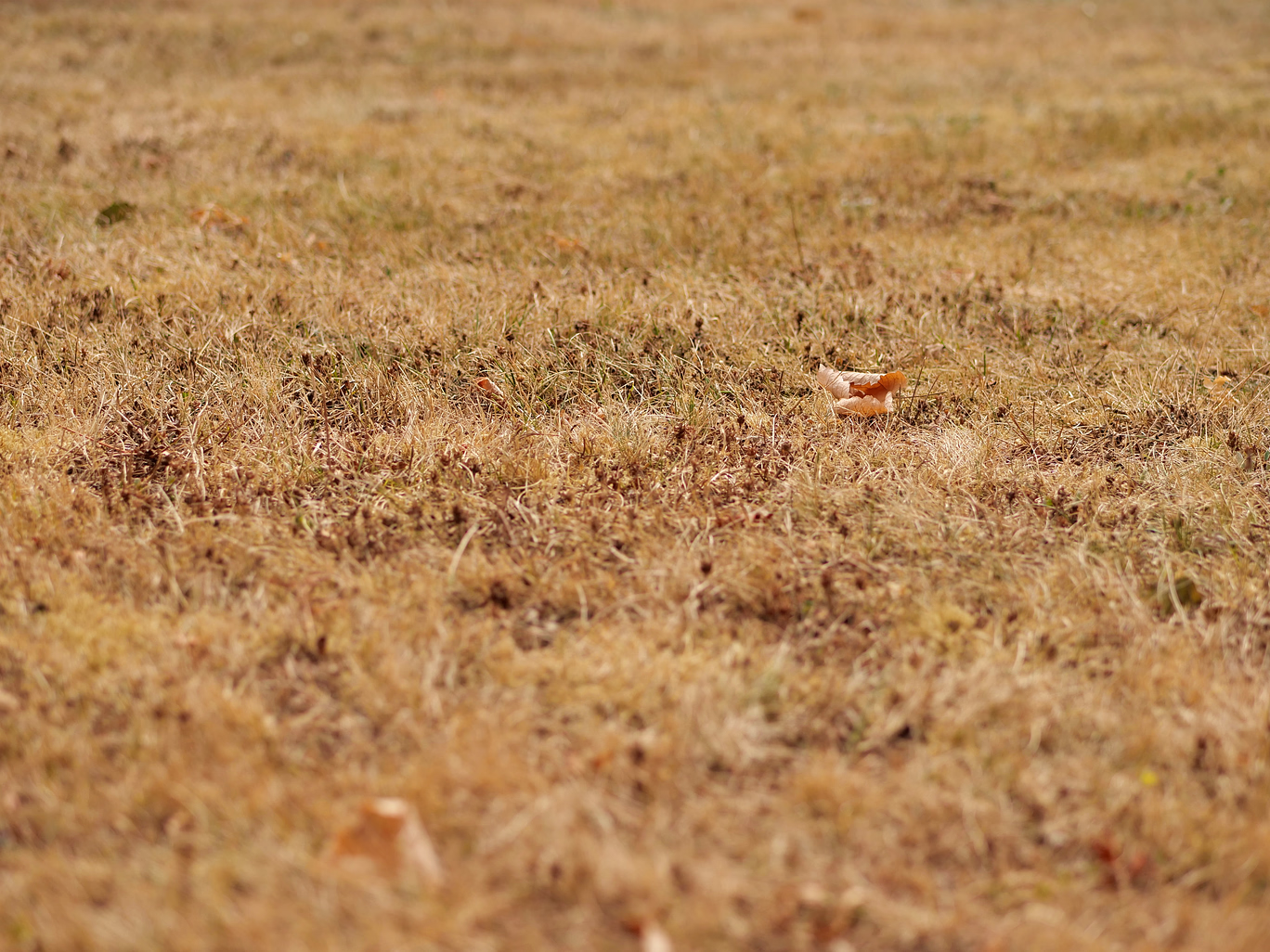
We’ve had 52 days at or above 100 degrees since July 1, and more than 65 days without measurable rain so far. As temperatures finally begin to ease, fall gives us a chance to look back at what happened and what our gardens are telling us.
Plants that normally get through a Dallas summer without much trouble are showing burned leaves, thinning foliage, early leaf drop, and other signs of heat stress.
Some of this is about water. Irrigation systems don’t always provide the coverage we think they do, especially as gardens mature and roots spread beyond areas of coverage. But what we’re seeing this year isn’t only a watering problem.
In some cases, plants have had enough moisture and are still scorching. They’ve simply been exposed to more heat, for longer, than they can handle.
Water can’t solve every kind of heat stress
Water helps plants regulate their temperature by moving through the plant and cooling the leaves as it evaporates. In extreme heat, though, a plant can lose water through its leaves faster than its roots can replace it, even when the soil around it is moist.
At that point, the plant protects itself. It closes the small openings in its leaves so the plant can hold on to water, which also slows photosynthesis. Leaves curl, bleach, scorch, or drop, and the plant puts its resources into survival rather than appearance.
We tend to see a brown leaf and assume the plant needs water. Sometimes it does. But once the soil has adequate moisture, more water won’t lower the air temperature or change how much heat a plant can tolerate. It can also leave the root zone too wet and create a different problem.
Nights matter too. Plants normally get some relief when temperatures drop after sundown. But when Dallas nights stay near 80 degrees, the plants continue using energy at a higher rate and have less opportunity to recover before the heat returns the next day. Hot, dry wind makes matters worse by pulling water from the leaves even faster.
Drought stress and heat injury are connected, but they aren’t the same thing.
We plan for cold hardiness. What about heat hardiness?
Most of us know the USDA Plant Hardiness Zone Map, which tells us whether a plant can handle our winter lows. That matters in Dallas, where we’ve seen minus 2 degrees in February 2021 and 110 degrees in 2023. But it says nothing about summer.
The American Horticultural Society’s Heat Zone Map fills that gap by counting the days above 86 degrees, the point where many plants start to struggle. Dallas sits around Heat Zone 9, roughly 121 to 150 heat days a year. Few nursery tags include it, and it’s built on weather data from 1974 to 1995, but the principle matters more every year. We need to ask not only whether a plant will survive a Dallas winter, but whether it can stay healthy through a Dallas summer.
“Full sun” doesn’t mean the same thing everywhere
Plant labels can also mislead when they call a plant suitable for “full sun.”
We recently saw this on a Dallas property where the same plant was used in the front and back gardens. The front of the house faces east. Those plants get full sun and have shown relatively little damage.
The same plants in the back are scorching.
The difference is the setting. The back garden is a three-sided courtyard facing west, enclosed by brick and stone. By late afternoon, the plants receive direct western sun plus heat absorbed and reflected by the surrounding masonry. The courtyard holds that heat well into the evening and likely has less air movement than the open front garden.
On paper, both spots are full sun. In reality, they’re two very different growing environments.
The official temperature might be 103 degrees, but that doesn’t describe what the plant is experiencing. A plant beside a driveway, pool deck, masonry wall, dark fence, or large expanse of glass may be dealing with considerably more heat than the reading at the airport.
As designers and gardeners, we need to consider when the sun reaches the plant, what surrounds it, how much air moves through the space, and whether the area gets a chance to cool after sundown.
These are design decisions. They can’t always be fixed at the irrigation controller.
A hard summer gives us useful information
When our team walks through a stressed garden, we’re looking for patterns.
Which plants held up? Which declined first? Is the same plant doing differently in morning sun and afternoon sun? Is the damage concentrated beside paving or masonry? Are new shrubs struggling while established ones stay healthy? Is the soil actually moist below the surface, or only wet around an emitter?
Those answers tell us more than a list of what lived and what died.
None of this means every Dallas garden needs to become a sparse collection of desert plants. We can still create gardens with structure, shade, seasonal change, flowers, and horticultural interest. But we’ll need to rely more on plants that are genuinely adapted to North Texas, not just plants that look good in April.
Adapted doesn’t necessarily mean native, and native doesn’t automatically mean right for every location. The right plant still has to go in the right exposure, with room to develop its roots and irrigation that responds to the soil and the planting.
What to do in your Dallas garden this fall
Don’t rush to cut back or pull heat-damaged plants. Many will push new growth once temperatures drop, and gently scratching a small area of the stem can help reveal whether there is still green, living tissue beneath the surface. Keep in mind that drought damage to roots can show up months later, so not everything green has fully recovered, and not everything brown is dead.
Check soil moisture four to six inches down, not at the surface. Adjust irrigation as temperatures fall, since many systems keep running on summer schedules well into October.
Hold off on heavy fertilizing. A stressed plant needs to rebuild roots before it’s pushed to grow.
Fall is one of the best times of year to plant most trees, shrubs, and hardy perennials in Dallas. Replacements and new plantings can develop roots through the cooler months and go into next summer far better prepared than plants installed just before the heat arrives.
If your Dallas garden is showing signs of heat stress, we’d be glad to walk it with you, talk through what held up, what didn’t, and why, and put together a plan for recovery.
The question has changed
For years, we’ve chosen plants by asking whether they’ll grow in Dallas. That question isn’t enough anymore.
We need to ask whether they can perform through the full range of a Dallas year: sudden freezes, heavy clay, flooding rains, long dry stretches, reflected heat, and weeks when the temperature refuses to come down.
This summer was hard on our gardens, but it also gave us a clearer picture of what the Dallas garden of the future will need.